
Rhode Island's anti-spam text laws protect consumers from unwanted commercial texts, with penalties for non-compliance. Key aspects include:
- Opt-in systems required for business texts.
- Prohibitions on phishing links and illegal activity promotions.
- Recent court case upholding fines against unsolicited text senders.
- Recognizing spam early by scrutinizing senders, content, and requests for personal info.
- Consulting Rhode Island spam texts lawyers for legal advice and guidance.
- Strict regulations and expert legal representation offer individuals and businesses protection against spam texts.
In today's digital age, the proliferation of spam texts has become a pervasive issue affecting individuals and businesses alike. Rhode Island residents, like many across the nation, face a constant deluge of unwanted messaging, leading to privacy concerns, frustration, and potential legal repercussions. This article delves into the growing challenge of spam text messages and highlights the crucial role that spam text lawyers in Rhode Island play in mitigating this modern-day nuisance. By exploring effective strategies and leveraging legal expertise, these professionals are instrumental in protecting consumers' rights and fostering a safer digital environment.
Understanding Rhode Island's Anti-Spam Text Laws

Rhode Island's Anti-Spam Text Laws are designed to protect consumers from unwanted and fraudulent text messages, offering a robust framework for accountability among businesses and service providers. Understanding these regulations is crucial for companies engaging with customers via text, especially in today's digital landscape where spam texts have become an increasingly prevalent nuisance. The state has implemented specific guidelines to ensure compliance, empowering residents to take action against unsolicited texts and providing legal recourse when necessary.
At the heart of Rhode Island's approach lies the requirement for explicit consent before sending commercial text messages. This means businesses must obtain permission from recipients, often through opt-in systems or clear subscription processes. For instance, a company offering promotional deals via SMS must ensure that subscribers have voluntarily agreed to receive such communications. Failure to adhere to this principle can result in penalties, underscoring the law's emphasis on consumer autonomy. Moreover, the legislation prohibits certain types of text messages, such as those containing phishing links or promoting illegal activities, highlighting the state's commitment to digital safety and security.
Practical advice for businesses aiming to comply includes implementing robust opt-out mechanisms within marketing campaigns and ensuring clear communication about message sources. Regularly reviewing and updating privacy policies to align with these anti-spam laws is essential. In a recent case study, a Rhode Island court upheld a fine against a national retailer for sending unsolicited texts, emphasizing the enforceability of these regulations. As the digital world evolves, so too do consumer protections, making it imperative for businesses to stay informed and adapt their practices accordingly.
When a Text Becomes Illegal: Recognizing Spam

In the digital age, mobile communication has become a ubiquitous part of daily life, with text messages playing a significant role. However, not all texts are created equal. Rhode Island spam text lawyers have noted an alarming rise in illegal spam texts, which can pose significant privacy and legal issues for recipients. Understanding when a text becomes illegal is crucial to protecting your rights and knowing when to seek expert advice from spam texts lawyers Rhode Island.
A text message is considered spam if it meets certain criteria, such as unsolicited distribution or the use of deceptive tactics to promote products or services. For instance, receiving repeated texts from an unknown sender promoting a weight-loss scheme or a fake lottery win is indicative of spam. According to recent data, over 70% of Americans have received at least one spam text, with many reporting feelings of annoyance and violation. The Federal Communications Commission (FCC) has implemented regulations to combat spam texts, but violators often find loopholes or simply disregard the rules.
Recognizing spam texts early is essential. Look out for suspicious senders, unusual content, and messages that solicit personal information or promote scams. If you suspect a text is spam, document it by saving the message, including metadata like the sender's number and time sent. This evidence can be invaluable if you decide to take legal action against the spammers. Consulting with Rhode Island spam text lawyers can help you understand your rights and options under state and federal laws. They can guide you through the process of filing a complaint with relevant authorities or pursuing legal recourse against the perpetrators. By staying informed and proactive, individuals can protect themselves from the nuisances and potential dangers associated with illegal spam texts.
The Role of Spam Text Lawyers in Rhode Island

In Rhode Island, as across the nation, the rise of spam texts has become a growing concern for both individuals and businesses. Spam text lawyers in Rhode Island play a pivotal role in navigating this complex legal landscape. Their expertise lies in understanding the intricate web of communication regulations, particularly those related to wireless telecommunications and consumer protection laws. These attorneys specialize in interpreting state and federal statutes that govern unsolicited text messages, ensuring compliance for their clients.
Spam texts Lawyers Rhode Island assist businesses in developing effective anti-spam strategies, crafting legal consent agreements, and managing opt-out requests. They help companies distinguish between legitimate marketing communications and illegal spam, thereby minimizing the risk of penalties and lawsuits. For instance, a retail company might seek guidance on how to obtain valid customer consent before sending promotional texts, avoiding the pitfalls of unsolicited advertising. Data from the Federal Trade Commission (FTC) indicates that violations of the Telephone Consumer Protection Act (TCPA) can result in substantial fines, highlighting the importance of professional legal counsel.
Moreover, these lawyers offer strategic advice on message content, timing, and delivery, empowering businesses to create responsible marketing campaigns. They stay abreast of legislative changes, ensuring their clients remain compliant with evolving regulations. By engaging spam text lawyers in Rhode Island, organizations can protect their brand reputation, maintain customer trust, and steer clear of legal complications associated with improper text messaging practices. This proactive approach not only benefits businesses but also fosters a fair and transparent communications environment for all Rhode Islanders.
Protecting Your Rights: Taking Action Against Spam
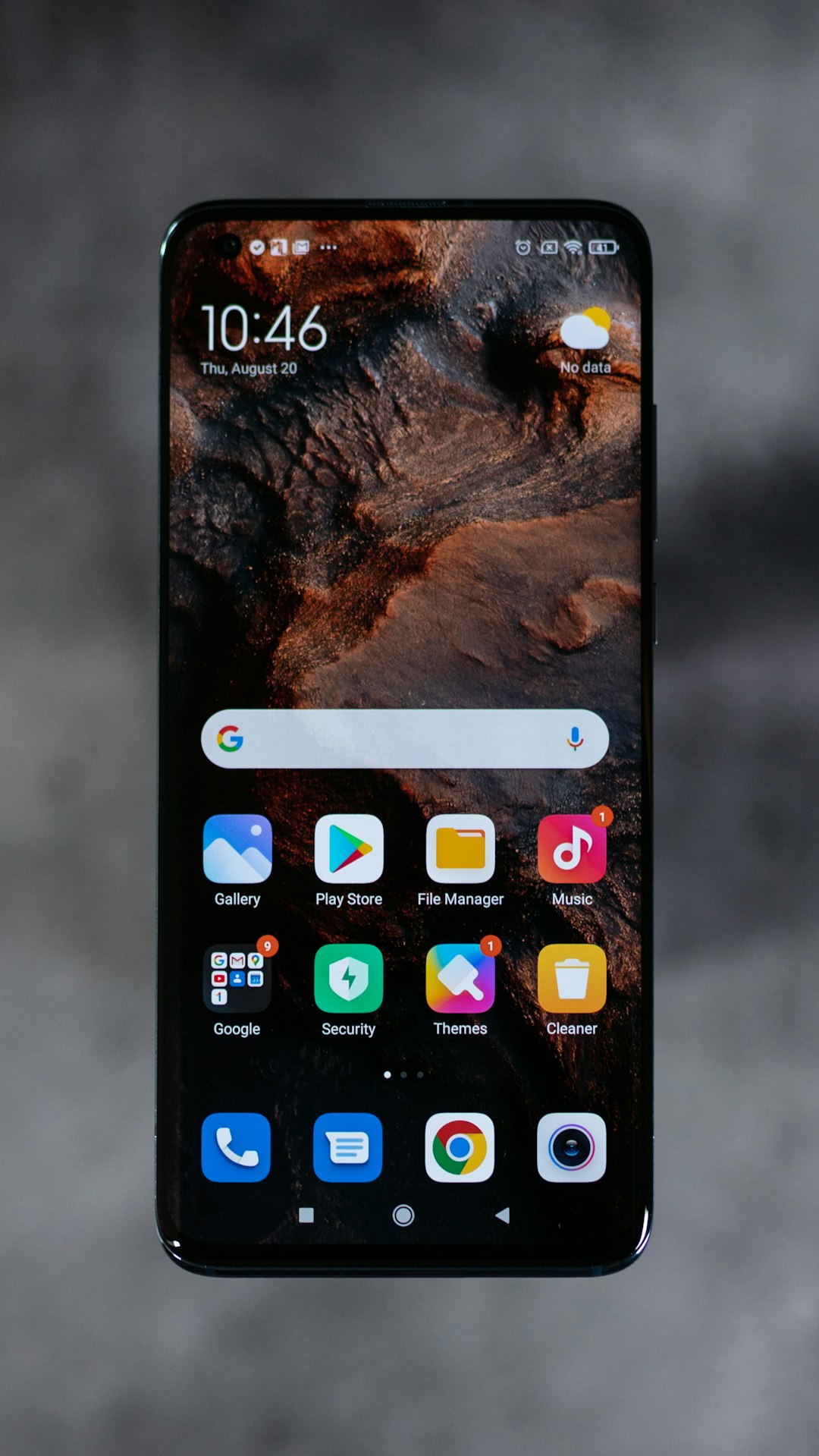
In today's digital age, spam texts have become an increasingly pervasive issue, invading personal spaces and causing distress. Rhode Island residents now enjoy a powerful tool to protect themselves from this nuisance—legal action against spammers. The state's strict spam text laws empower individuals to take a stand and reclaim their privacy.
Rhode Island spam text lawyers play a pivotal role in this fight, offering expert guidance and legal representation to those affected. These professionals specialize in navigating the complex landscape of telecommunications law, ensuring that clients' rights are upheld. For instance, they can assist in identifying and tracing the sources of spam texts, which is crucial for effective enforcement. With advancements in technology, tracking down spammers has become more feasible, allowing lawyers to build strong cases.
Taking action against spam starts with recognizing your rights and understanding the law. According to Rhode Island's regulations, unsolicited text messages are prohibited unless the sender has obtained prior consent. If you receive unwanted spam texts, document the instances, save the messages, and contact a legal professional for advice. By taking proactive measures, individuals can not only protect themselves but also contribute to a more regulated digital environment. This collective effort is essential to deter spammers and preserve the peace of mind that everyone deserves in their daily communications.