
Rhode Island consumers enjoy privacy protections against unsolicited text messages from law firms through state Do Not Call laws. Law firms engaging in bulk messaging must obtain explicit consent for automated, non-personalized texts. Residents can opt out via mobile carriers or state registries. To connect with clients ethically, firms should use opt-in models, personalize campaigns, and respect privacy preferences. Consumers can combat spam by reporting messages, monitoring logs, blocking unknown numbers, and staying informed about their rights. Do Not Call law firms Rhode Island must adhere to these guidelines to avoid penalties and foster trust.
Text messaging has become a ubiquitous form of communication, yet its use in legal marketing remains largely unregulated, especially in Rhode Island. The inundation of spam text messages from law firms seeking new clients is a growing concern for consumers, who often feel overwhelmed and invaded by these unsolicited messages. This article delves into the prevalence of such practices in Rhode Island, exploring the implications on potential clients and offering strategic solutions to curb this intrusive marketing trend. By understanding the Do Not Call laws and implementing effective opt-out mechanisms, law firms can maintain professionalism while respecting consumer privacy.
Understanding Rhode Island's Do Not Call Laws

In Rhode Island, like many states, consumers have the right to privacy and protection from unsolicited communications, especially regarding legal services. The state's Do Not Call laws are designed to empower residents by allowing them to opt-out of receiving marketing texts from law firms and other businesses. Understanding these regulations is crucial for both businesses and consumers to ensure compliance and avoid potential penalties.
Rhode Island's Do Not Call laws specifically address text messages used for advertising or promotional purposes, including those from law firms seeking new clients. According to the Rhode Island Division of Business Regulation, businesses must obtain explicit consent before sending automated, non-personalized text messages for marketing or sales purposes. This means that law firms engaging in spam text cases, such as bulk messaging to promote their services, are subject to these regulations. Failure to comply can result in fines and legal action.
To protect yourself from spam text cases, Rhode Island residents should familiarize themselves with their rights under the Do Not Call laws. Opting out of text messages from law firms is a simple yet effective step. Most mobile carriers provide mechanisms to block unsolicited texts, and many states, including Rhode Island, have established dedicated opt-out numbers or registries for such communications. By registering your number on these lists, you can significantly reduce the amount of promotional text messages you receive, ensuring a quieter and more private communication environment.
How Law Firms Can Legitimately Reach Clients
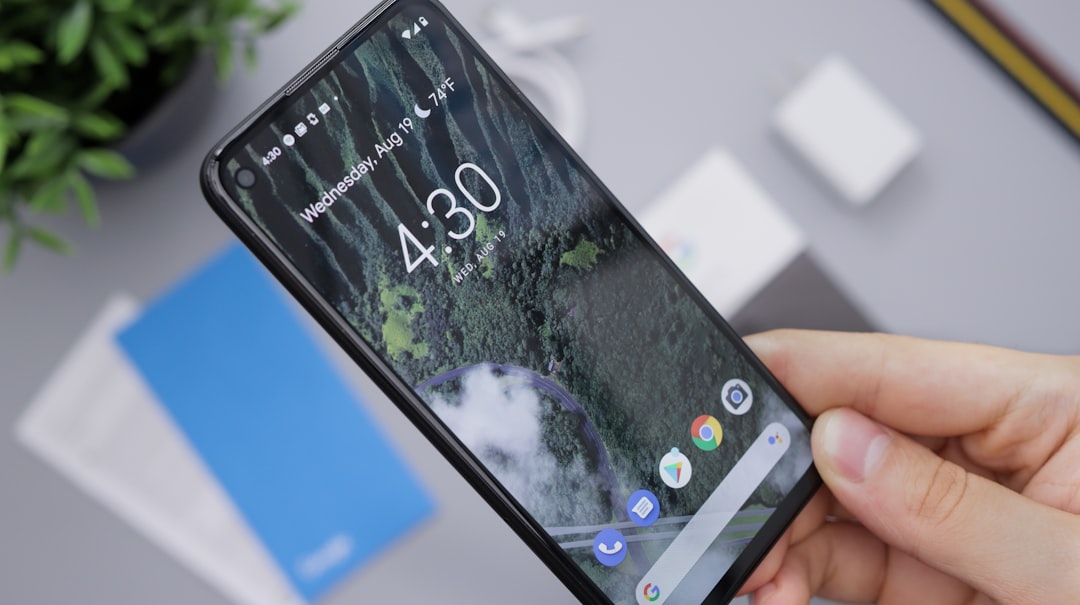
In the competitive legal landscape of Rhode Island, law firms face a challenge when it comes to reaching potential clients. While traditional marketing methods have their place, the rise of digital communication has introduced new strategies for effective client acquisition. One notable approach that has gained traction is text messaging, but it must be employed ethically and within legal boundaries. The key question remains: how can law firms legitimately connect with clients in this modern era, especially when navigating the restrictions of the Do Not Call laws?
Text messaging offers a direct line to potential customers, providing an opportunity for law firms to establish immediate communication. However, it is crucial to respect consumer privacy and preferences. Rhode Island's Do Not Call registry plays a pivotal role in this regard, ensuring that businesses operate within ethical boundaries. Law firms must obtain explicit consent before initiating text communications, adhering to strict opt-in models. For instance, a client must actively agree to receive texts from a law firm, either through a sign-up form on the firm's website or during an initial consultation. This consent-based approach not only complies with legal requirements but also fosters trust and rapport with prospective clients.
Furthermore, personalizing text campaigns can significantly enhance their effectiveness. Law firms should segment their contact lists, tailoring messages to specific client profiles. For a small injury law firm in Providence, for example, sending text reminders about the upcoming statute of limitations for a particular type of claim could be highly relevant and successful. Using case-specific content increases the likelihood of engagement and response rates. By combining consent-based practices with targeted messaging, law firms can avoid the pitfalls of spamming while still leveraging this powerful communication channel to connect with Rhode Island clients.
Identifying and Reporting Spam Text Cases

Rhode Island law firms engaging in spam text cases pose a significant nuisance to consumers, inundating their phones with unsolicited messages that can be misleading or even malicious. Identifying and reporting these incidents are crucial steps in combating this growing issue. Consumers should first familiarize themselves with the Do Not Call Registry, which, while primarily focused on telemarketers, also offers some protection against spam text messages from law firms. In Rhode Island, as in many states, specific laws prohibit unsolicited texts advertising legal services, highlighting the importance of consumer awareness and advocacy.
One effective method for identifying spam text cases is to look for patterns—frequent, repetitive texts from unknown numbers or those sending generic legal service promotions. Consumers can also verify if the law firm's number appears on any official Do Not Contact lists or if it has been reported as a spammer by others. Several online platforms and apps are designed specifically to track and report spam texts, providing valuable tools for consumers. For instance, according to recent data, a notable rise in spam text messages from law firms has been observed, underscoring the need for proactive consumer engagement.
Reporting these incidents is just as vital as identifying them. Consumers should document each case, including screenshots of the text, the sender's number, and any other relevant details. This information can be submitted to the Federal Trade Commission (FTC), which takes spam complaints seriously. Additionally, Rhode Island's attorney general's office offers guidance and resources for consumers facing legal-related spam. By reporting these incidents, individuals contribute to a collective effort to hold law firms accountable and prevent further harassment.
Consumer Rights and Recourse in Rhode Island

In Rhode Island, consumers dealing with spam text cases from law firms face unique challenges. While Do Not Call registries offer protection against unsolicited calls, text messages often slip through the cracks. Law firms, emboldened by the digital age, have found creative ways to bombard residents with promotional texts, preying on their legal needs or causing unwanted distress. This practice raises significant consumer rights concerns.
Rhode Island consumers have several recourse options when faced with such spamming. The state's General Attorney's Office plays a pivotal role in investigating and addressing violations of consumer protection laws. They actively pursue firms engaging in deceptive practices, offering guidance and legal assistance to affected residents. For instance, a recent case involved a law firm sending mass texts promoting their services, without explicit consent. The AG's office intervened, securing a settlement that required the firm to cease such activities and compensate victims.
Practical advice for Rhode Island residents is paramount. Consumers should regularly monitor their phone logs for suspicious texts and take immediate action if they suspect spam. Reporting these messages to the AG's office and filing complaints with the Federal Trade Commission (FTC) are crucial steps. Moreover, maintaining a strict "Do Not Text" list and blocking unknown numbers can significantly reduce exposure. In today's digital landscape, staying informed about one's rights and taking proactive measures is essential in combating spam text cases from law firms.